0531-Drone radiator shell - Aiskywing Industrial 3D Printing Showcase

▼
无人机散热器外壳3D打印生产记录
Drone radiator casing
生活就像3D打印,有时需要耐心与坚持。有人因热量管理的问题找上我们,希望我们能制作这个无人机散热器外壳。
Life is like 3D printing; sometimes it requires patience and perseverance. Someone approached us due to issues with heat management, hoping we could create a heat sink casing for this drone.
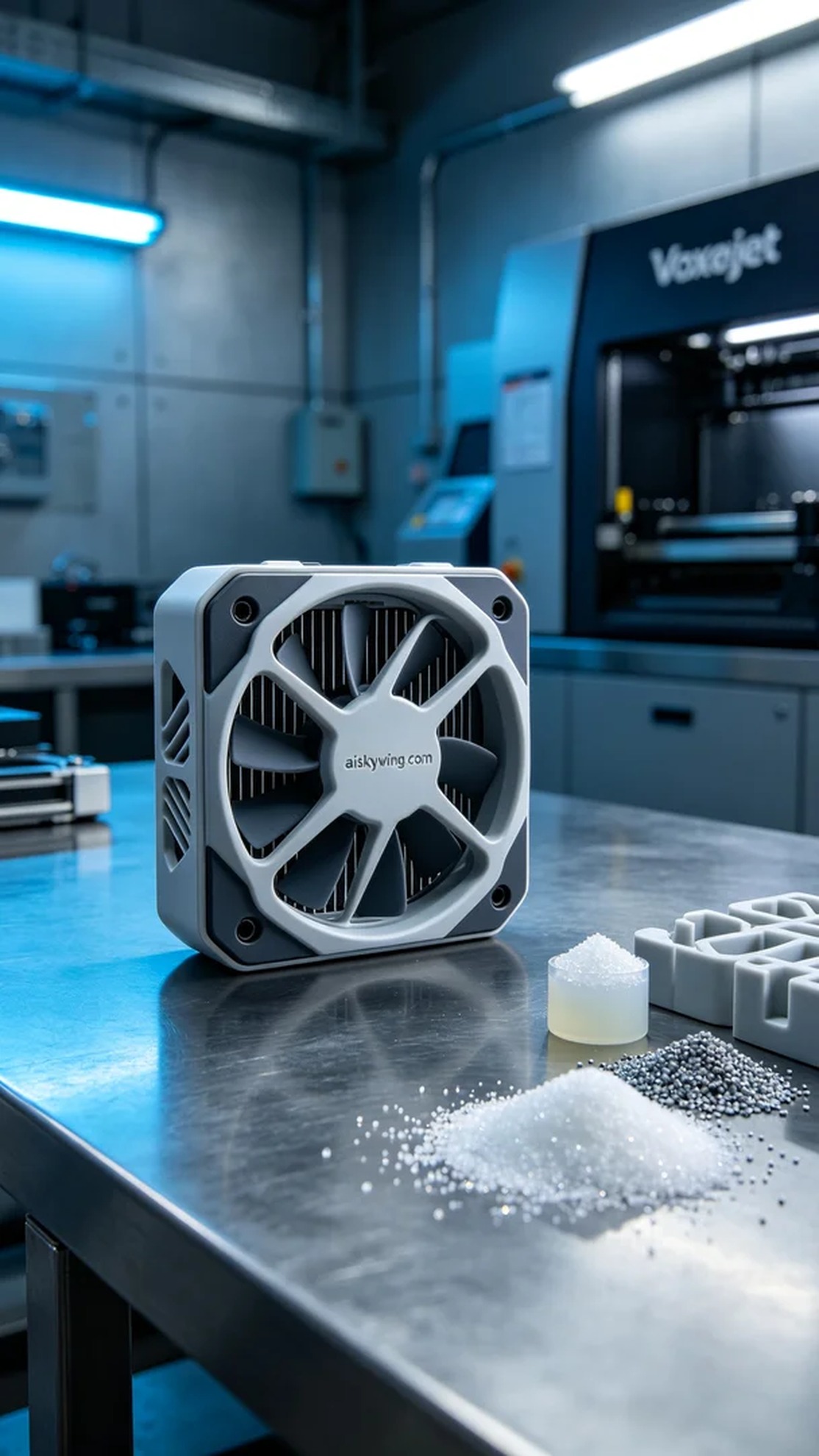
Life is like 3D printing, it requires patience and persistence. Someone reached out to us on Twitter regarding heat management issues, asking us to create a drone heat sink shell.
We chose the SLS nylon sintering process for this project, utilizing liquid photopolymer resin as the raw material, which was placed in an unformed state. We used a Voxeljet printer, setting the layer thickness to 0.1 mm, maintaining a nozzle temperature of 190 degrees Celsius, with a power of 60 watts and a print speed of 100 mm per hour, estimating a total printing time of about 12 hours.
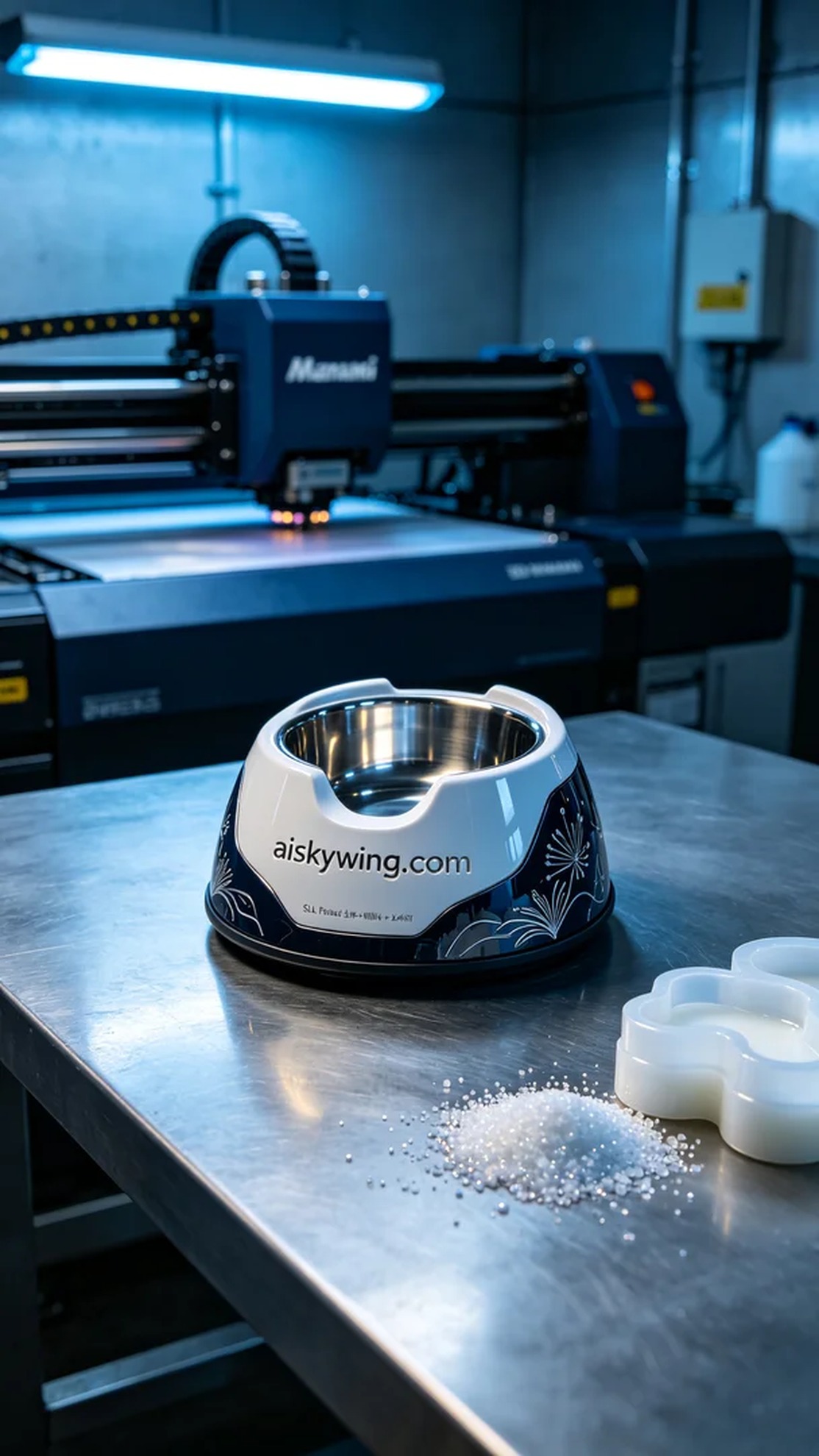
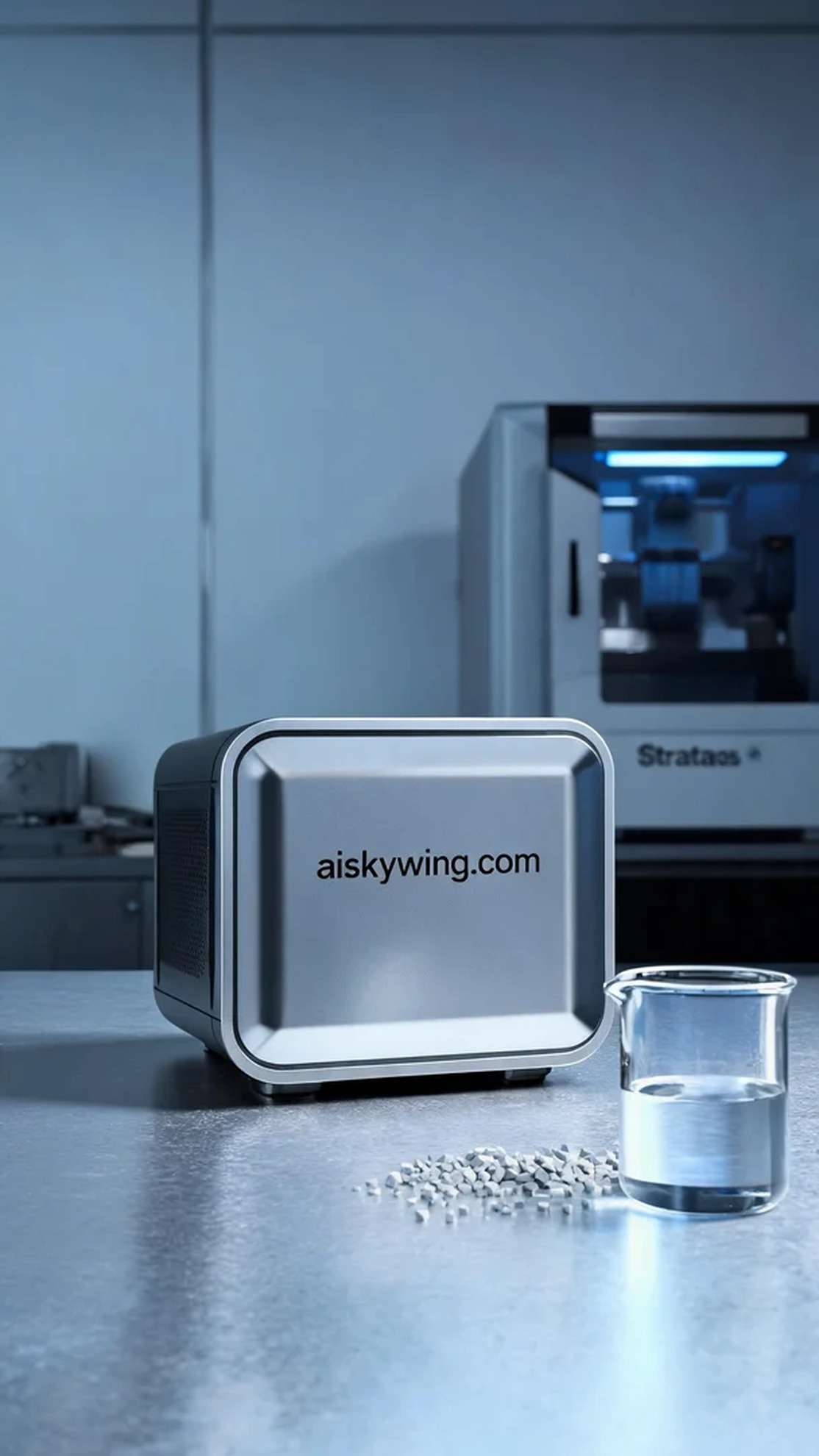
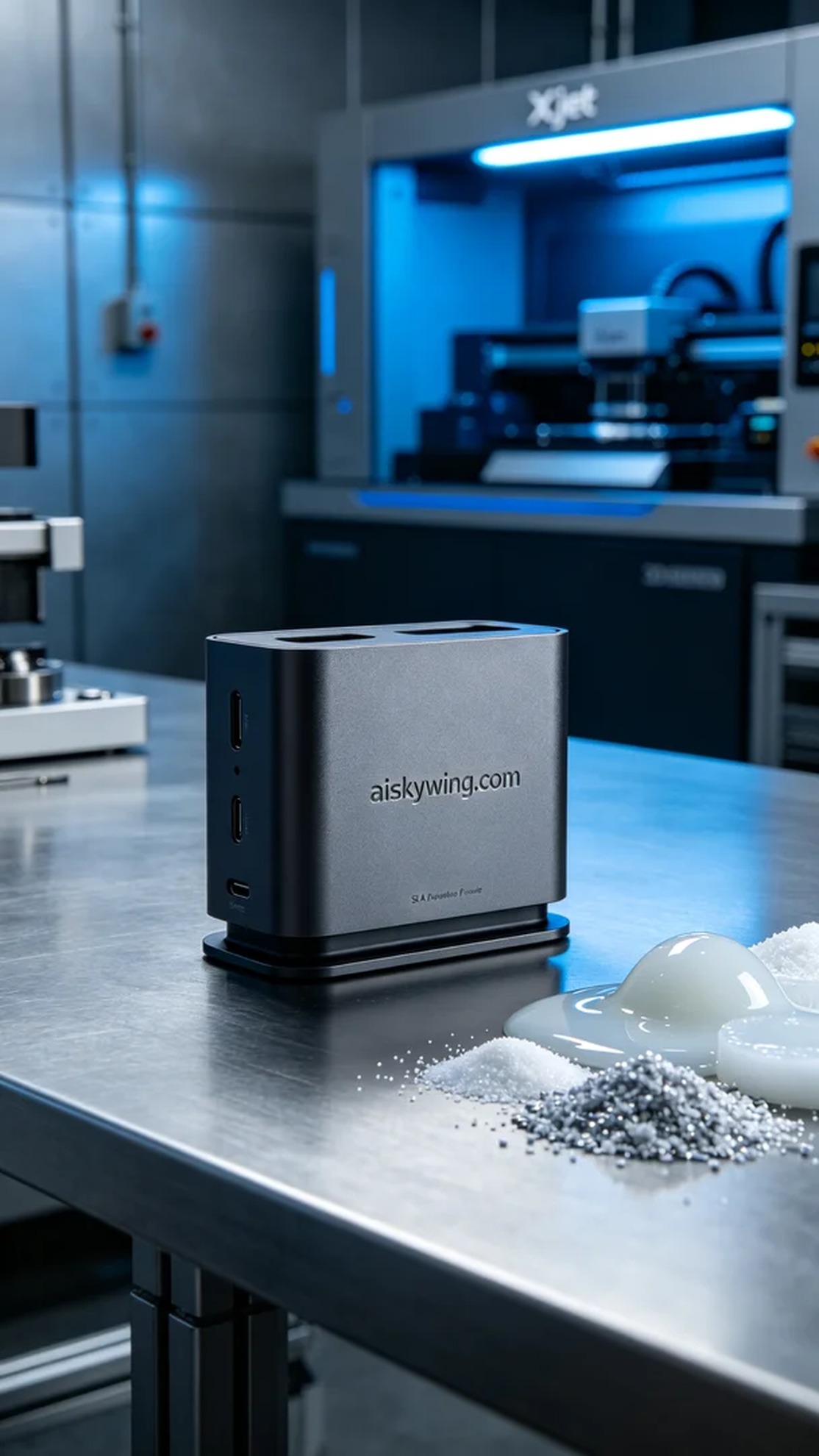
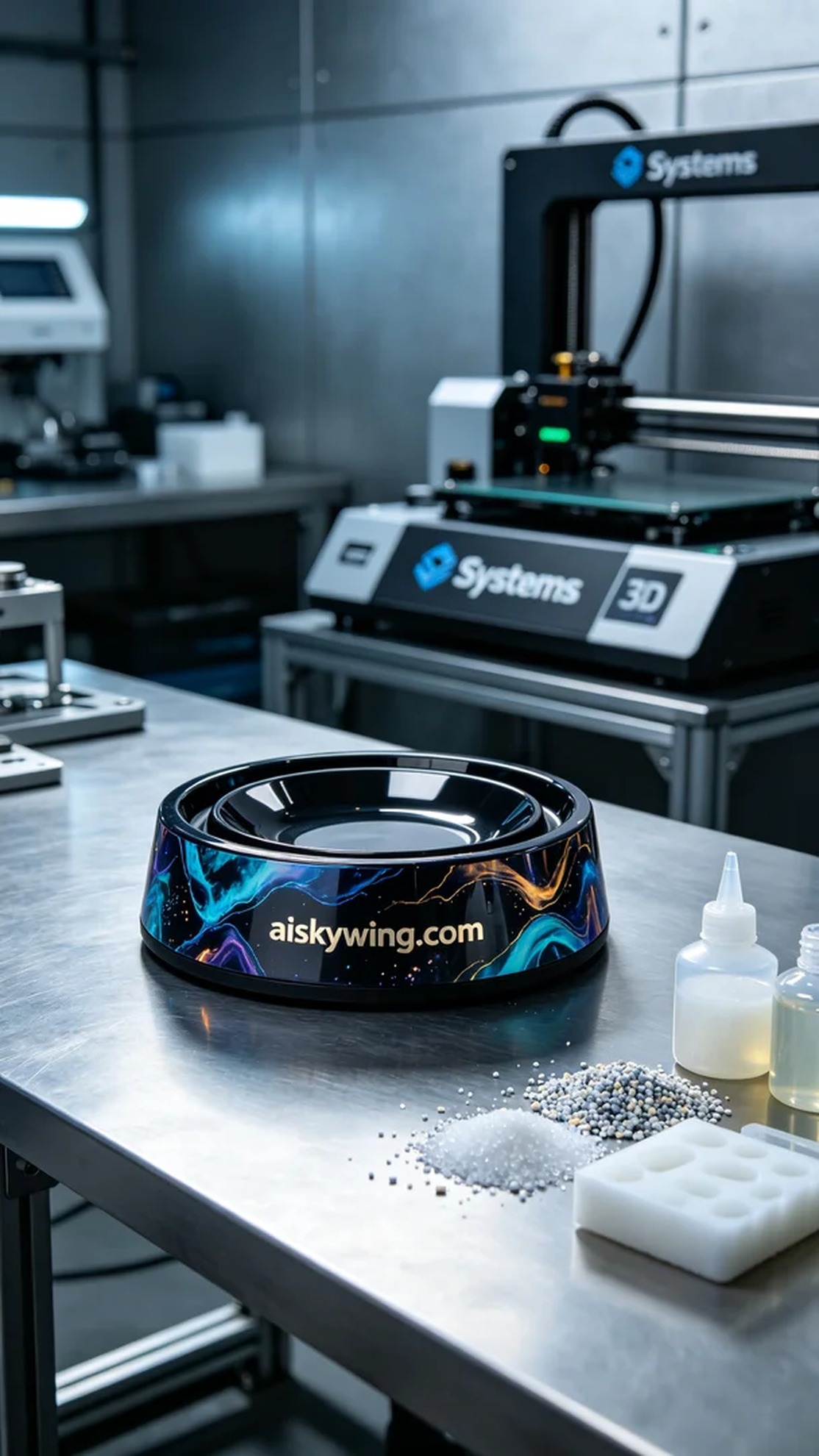
The printing process went smoothly with stable equipment operation. We regularly monitored the print quality to ensure that each layer was accurately stacked. Throughout this process, the cool blue ambient lights added a strong technological feel to the entire scene. After several hours of continuous operation, the first heat sink shell was finally formed.
During the post-processing phase, we first cleaned the formed heat sink shell to remove excess material from the surface. Next, we sanded it down to ensure a smooth finish. After sanding, we performed a curing process to ensure structural stability and durability. Finally, we conducted a comprehensive quality inspection to ensure every detail met the standards.
The entire process was smooth and efficient. The successful creation of this drone heat sink shell not only solved the heat management issue but also advanced us further on our 3D printing journey.
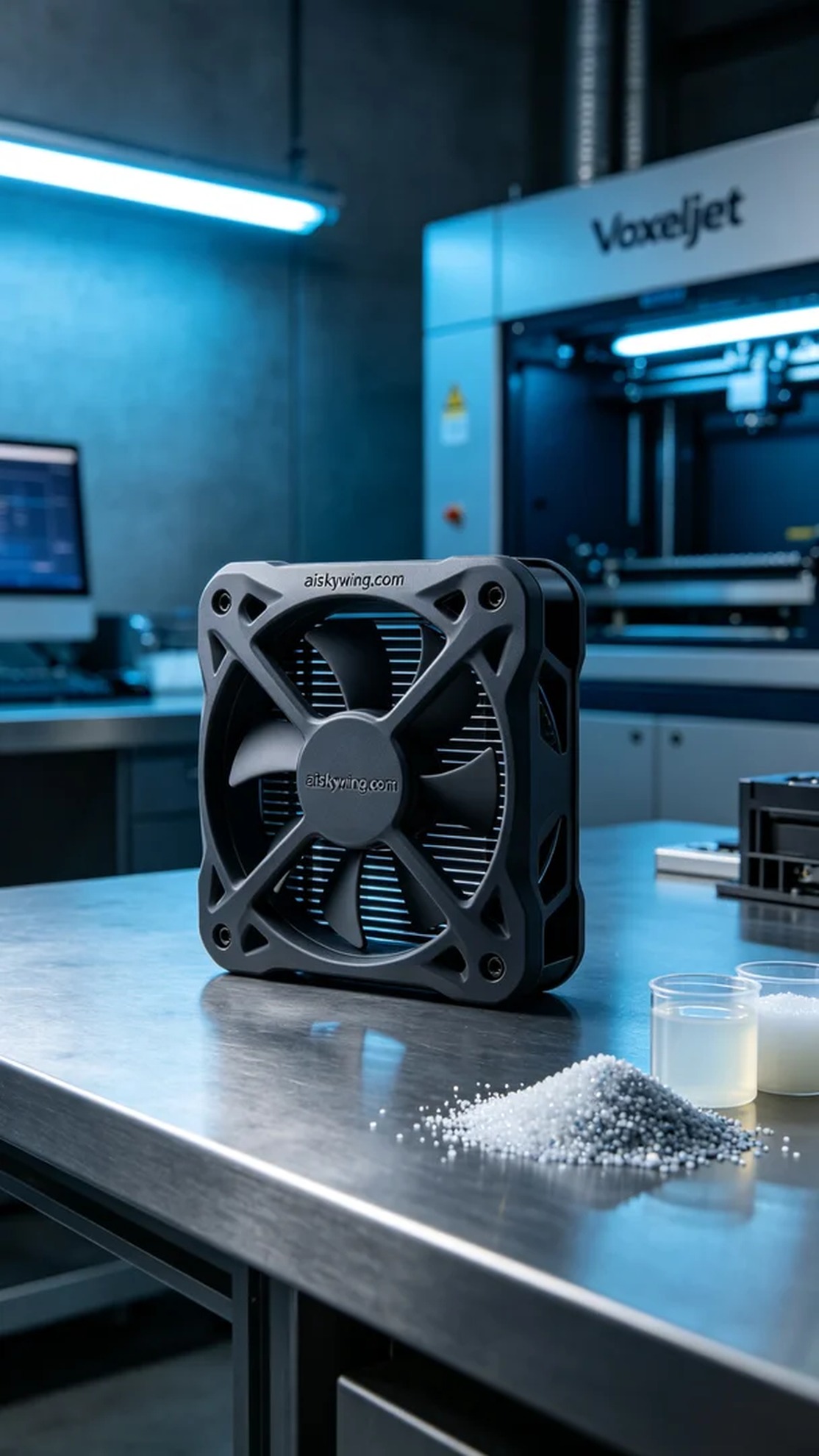
在Twitter上,有人因为无人机在飞行时的散热问题向我们求助。为了满足其需求,我们决定制作一个高效的无人机散热器外壳,确保其在使用过程中能够有效散热,提升飞行效率。
这次我们选用了SLS尼龙烧结工艺,所需材料是摆放着未成型的液态光敏树脂。打印过程中,我们使用了Voxeljet打印机,设定层厚为0.1毫米,喷嘴温度控制在190摄氏度,功率为60瓦,打印速度保持在每小时100毫米,预计总打印时间大约为12小时。
打印过程相当顺利,设备运行稳定。我们定期监控打印质量,确保每一层都能精确叠加。在这个过程中,冷色调的蓝色氛围灯将整个画面渲染得科技感十足。经过几小时的无间断运作,第一件散热器外壳终于成型。
后处理阶段,我们首先将成型的散热器外壳进行清洗,去除表面的多余材料。随后,我们对其进行打磨,以确保表面光滑。完成打磨后,接着进行固化处理,确保结构的稳定性和耐用性。最后,我们进行了全面的质量检验,确保每个细节都符合标准。
整个过程顺利且高效,这款无人机散热器外壳的成功制作,不仅解决了热量管理问题,也让我们在3D打印的道路上又向前迈进了一步。
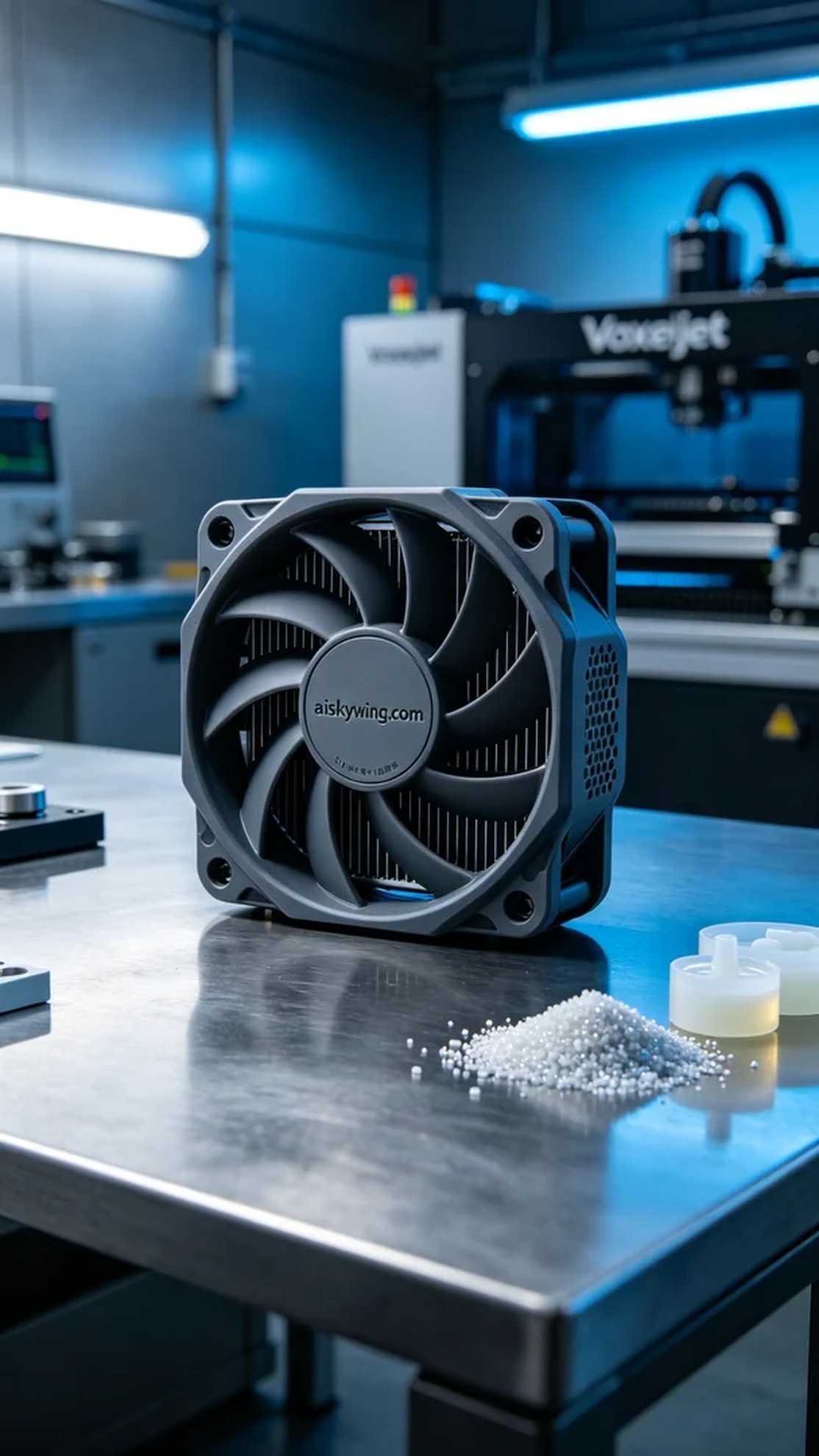
Aiskywing Industrial 3D Printing
Drone radiator casing
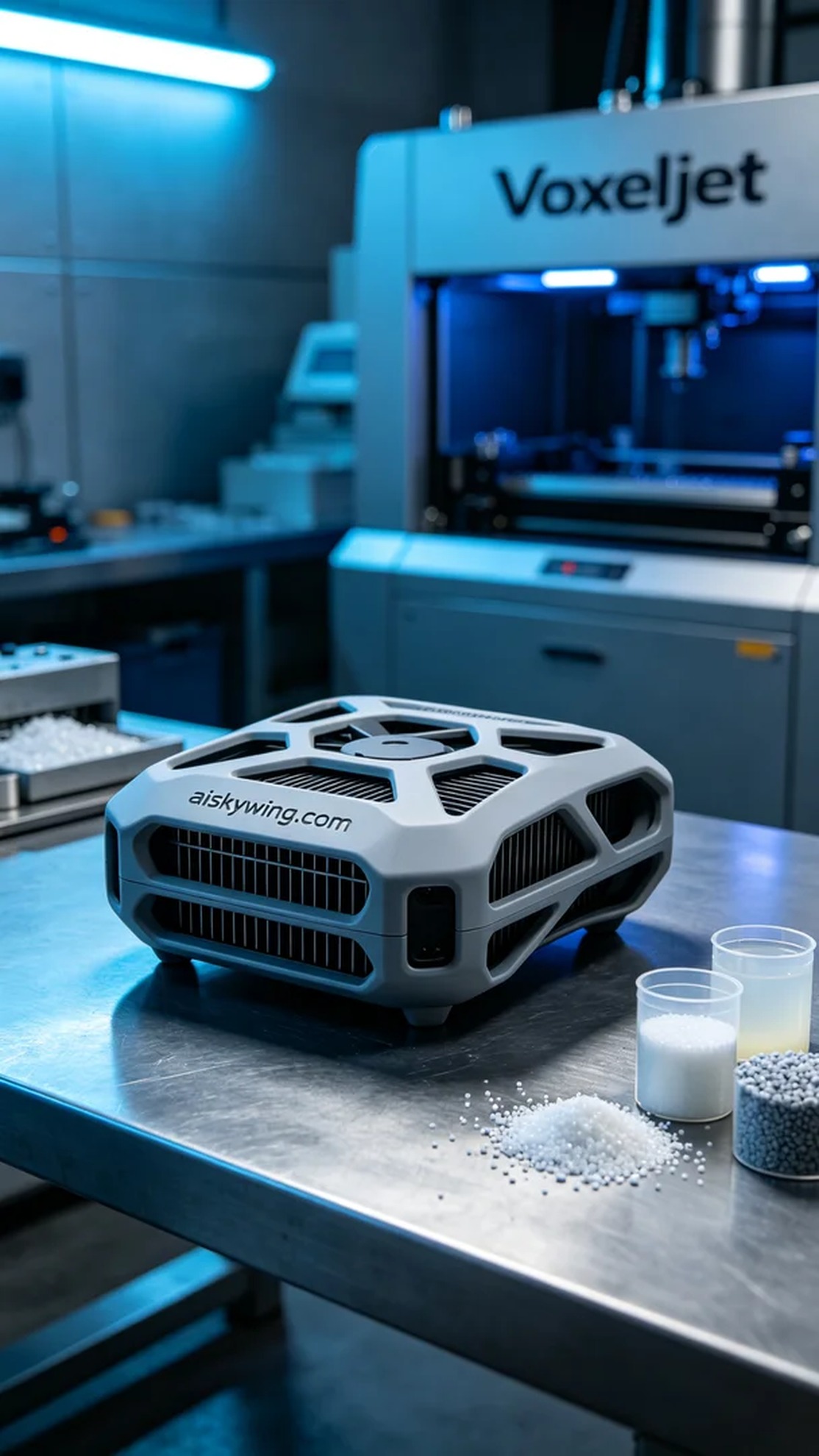
▼

Contact Us
📞 Tel: +0086-760-85286839
📧 Email: skywing3d@163.com