0551-prosthetic socket - Aiskywing Industrial 3D Printing Showcase

▼
假肢接受腔内衬的3D打印过程
prosthetic socket内衬
生活再难,也别停下脚步。就像接下这个假肢接受腔内衬的单子,在TikTok上看到有人对这方面的需求,我决定全力以赴。
生活再难,也别停下脚步。就像接下这个prosthetic socket内衬的单子,在TikTok上看到有人对这方面的需求,我决定全力以赴。
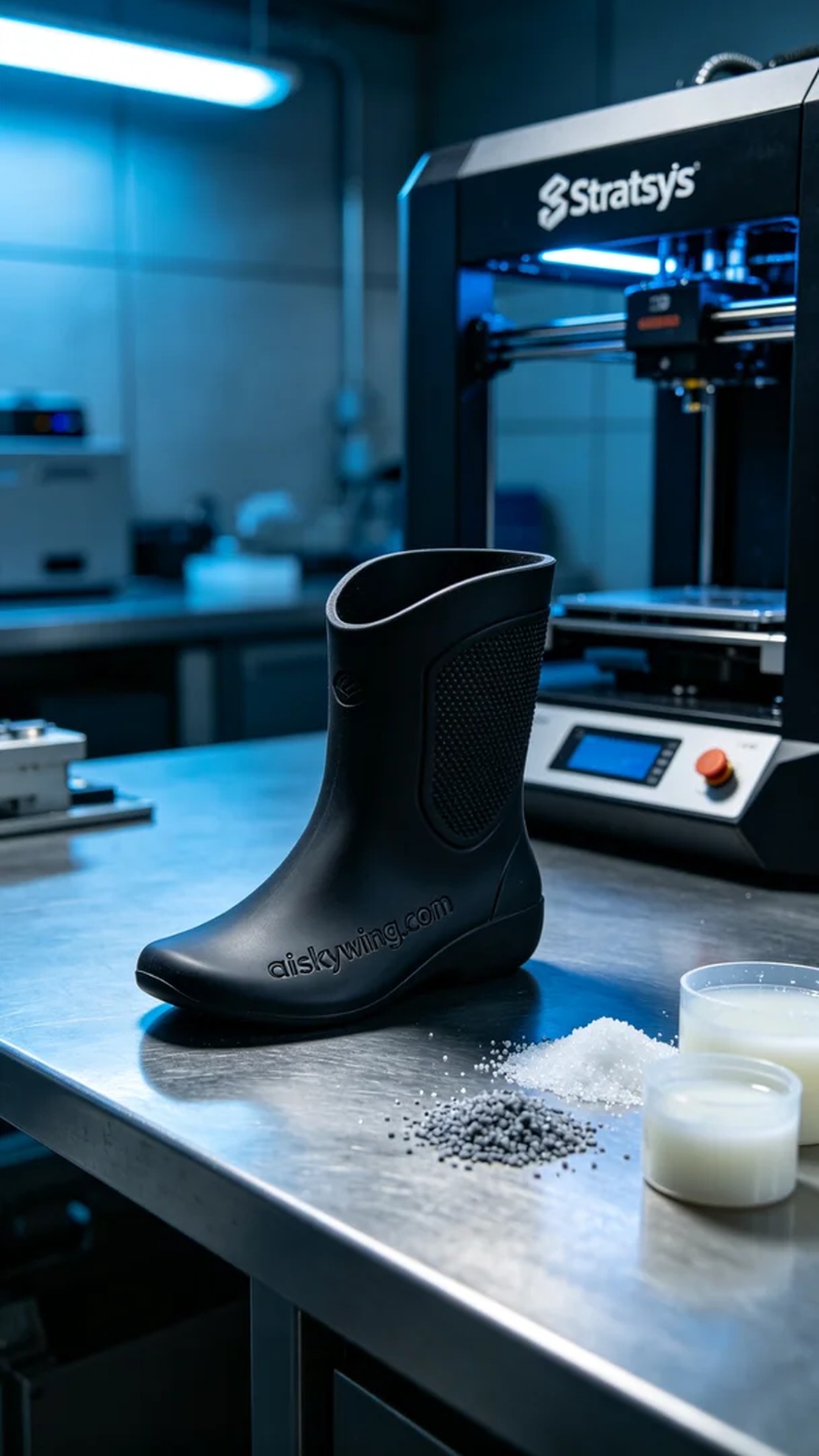
In TikTok, someone expressed concerns about the fit and comfort of prosthetics, especially during long-term wear, making the prosthetic socket liner crucial. This task not only requires precise design but also a deep understanding of materials and processes.
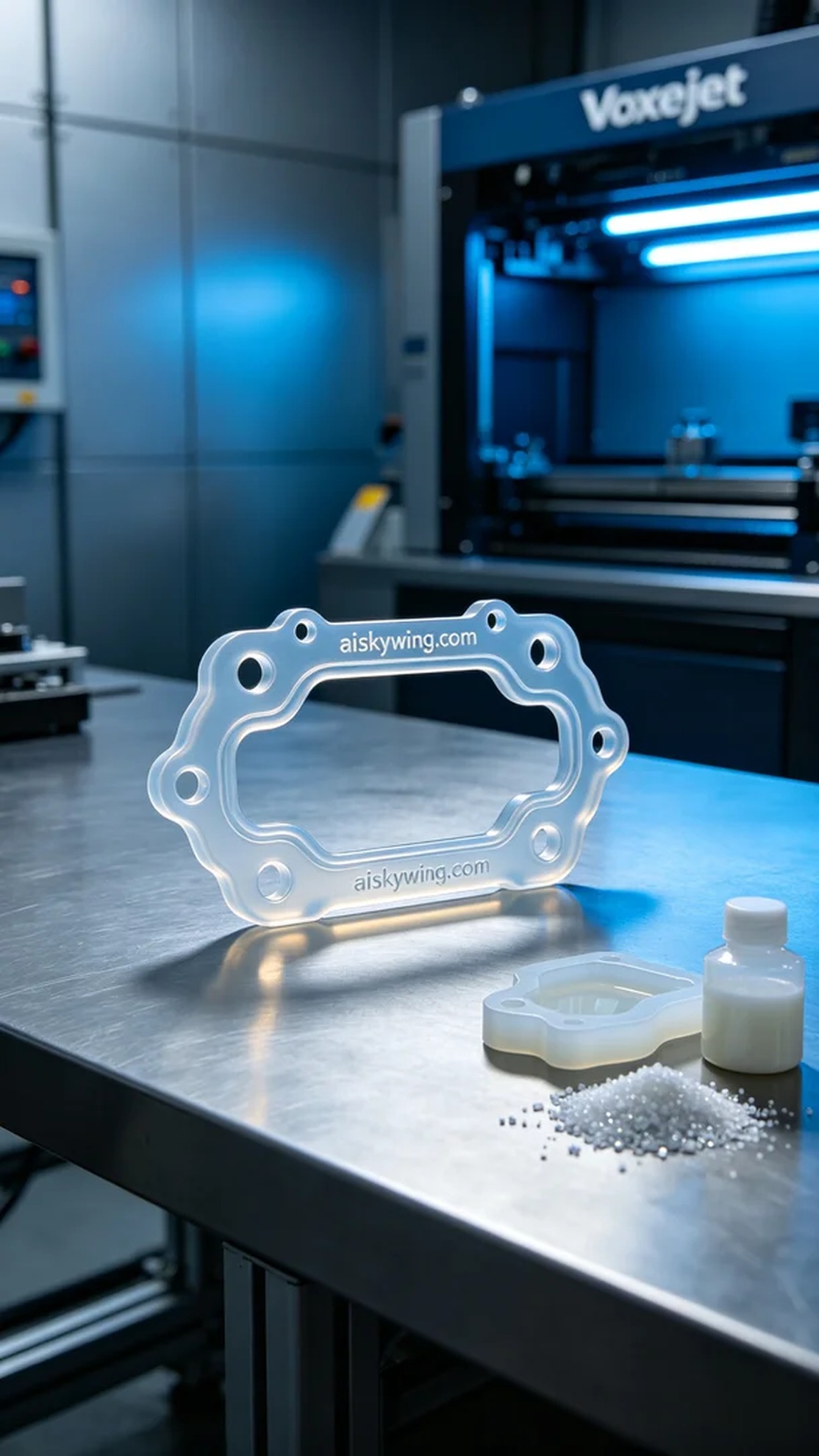
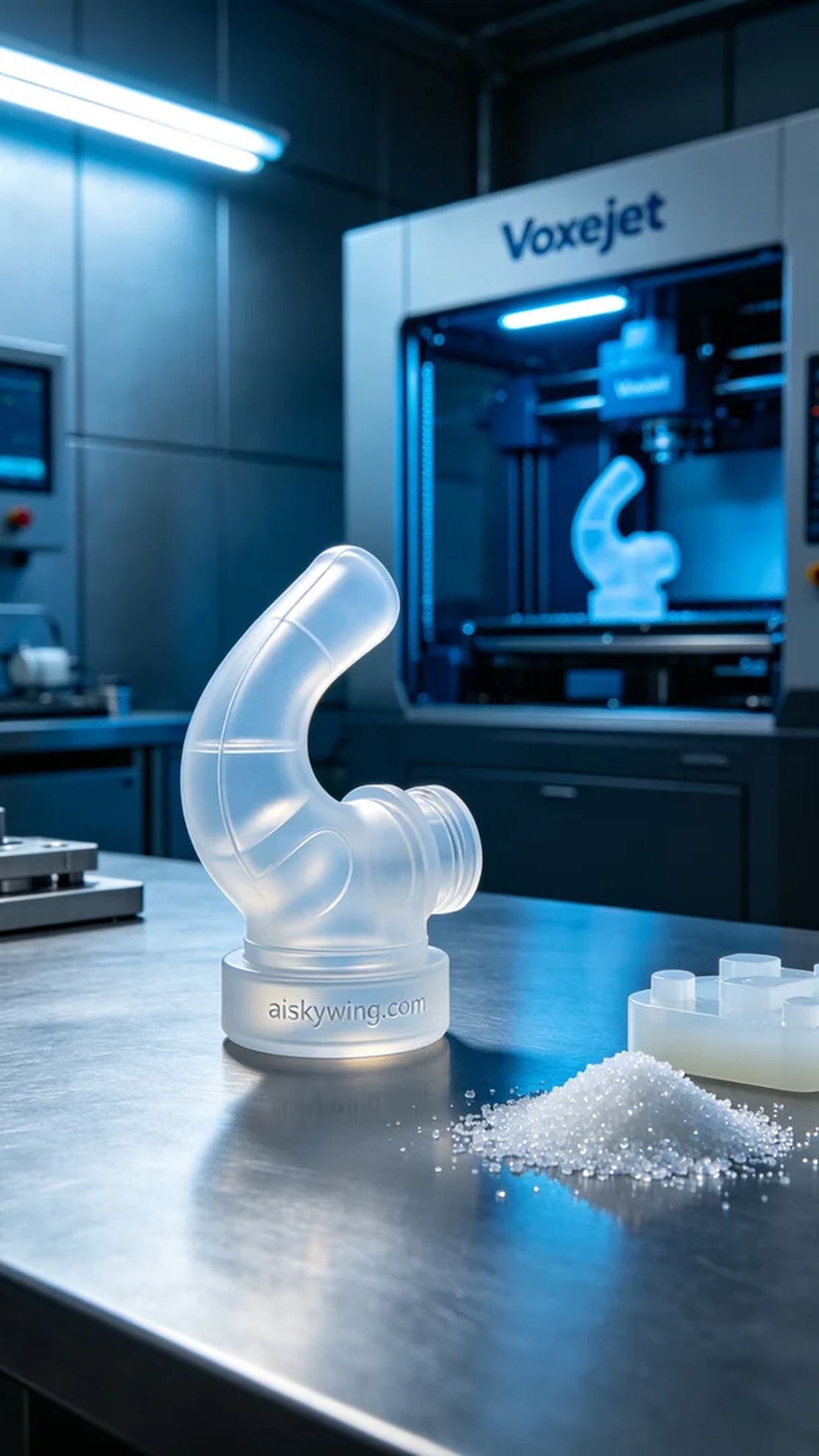
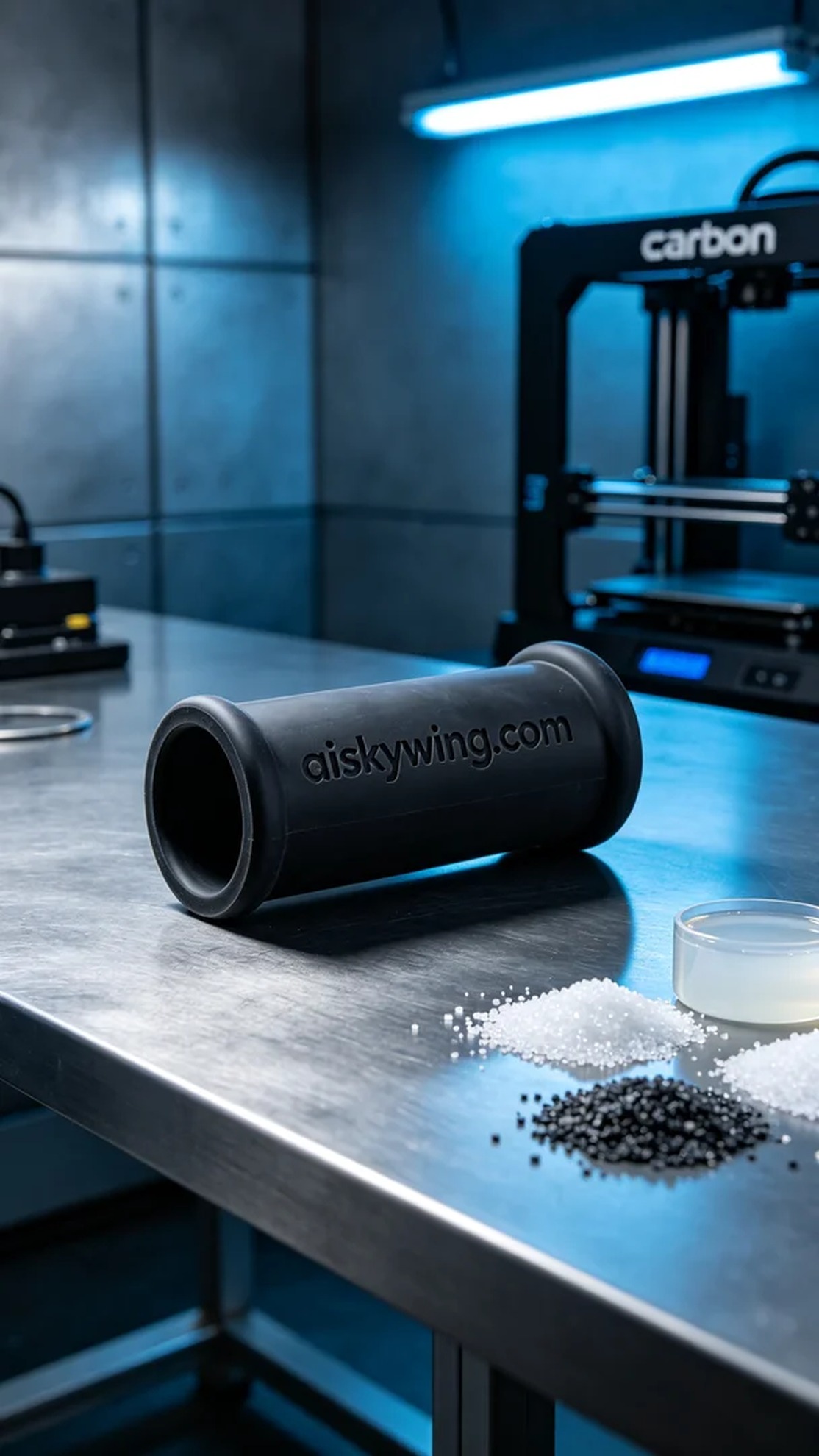
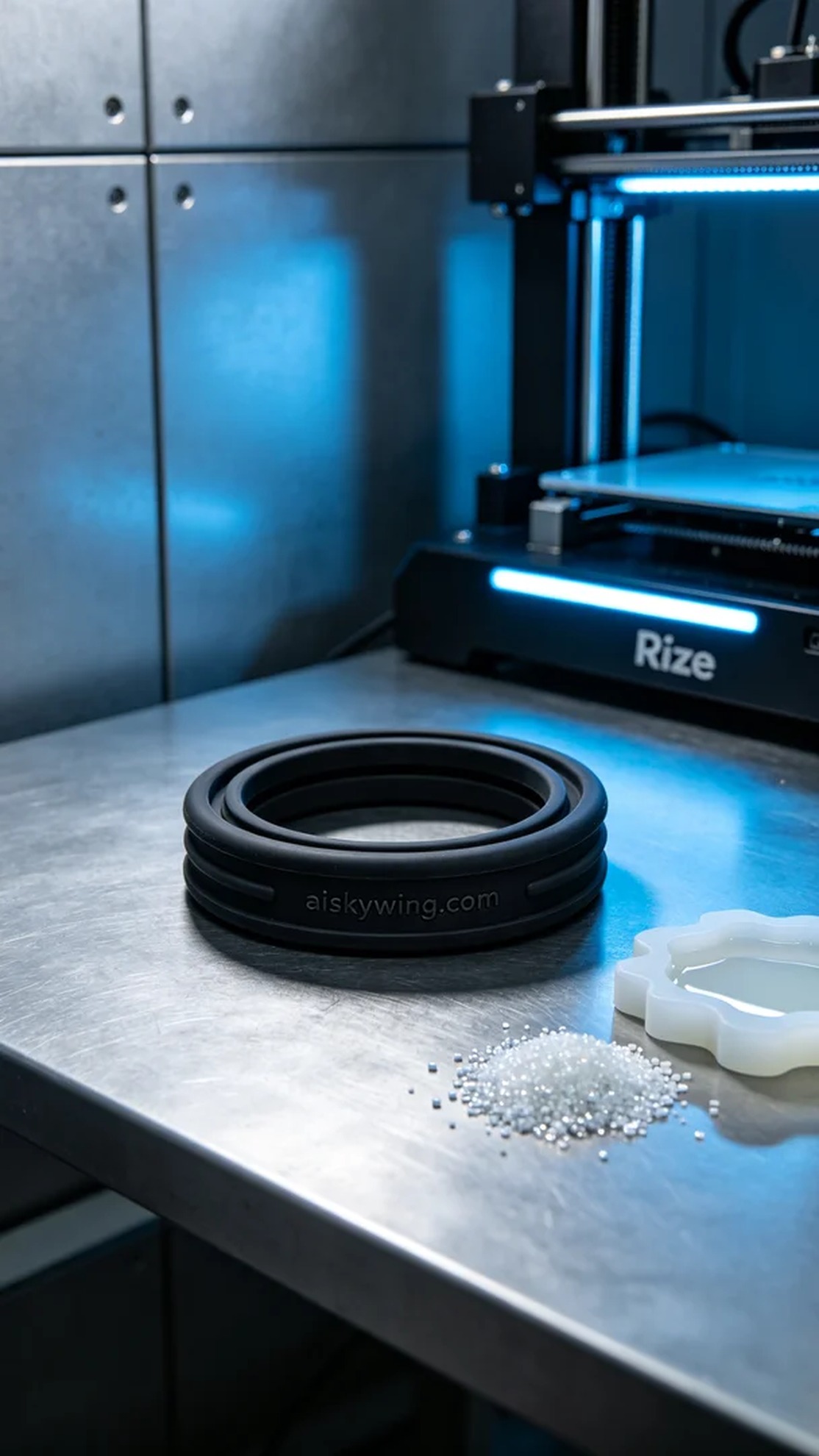
We chose silicone molding as the production material for its flexibility and durability, which can significantly enhance user experience. Preparatory work included setting up the Stratasys printer, with a layer thickness of 0.1mm, a printing temperature of 25 degrees Celsius, a speed of 50mm per second, and an estimated printing time of 4 hours. These parameters ensure a high-quality liner with intricate textures.
As the printing process began, the Stratasys printer operated steadily, forming the liquid photopolymer layer by layer. During this phase, we continuously monitored the print quality to ensure optimal adhesion and detail in every layer. The device ran smoothly, with real-time data updates on the display, instilling confidence in our production process.
Once the printing was completed, the first step was cleaning, wherein the formed part was immersed in a cleaning solution to remove uncured resin. Next, we sanded the surface with fine sandpaper to eliminate roughness and ensure each detail was smooth. Finally, the part was placed in a curing machine for light curing, followed by a final inspection to confirm the product met usage requirements.
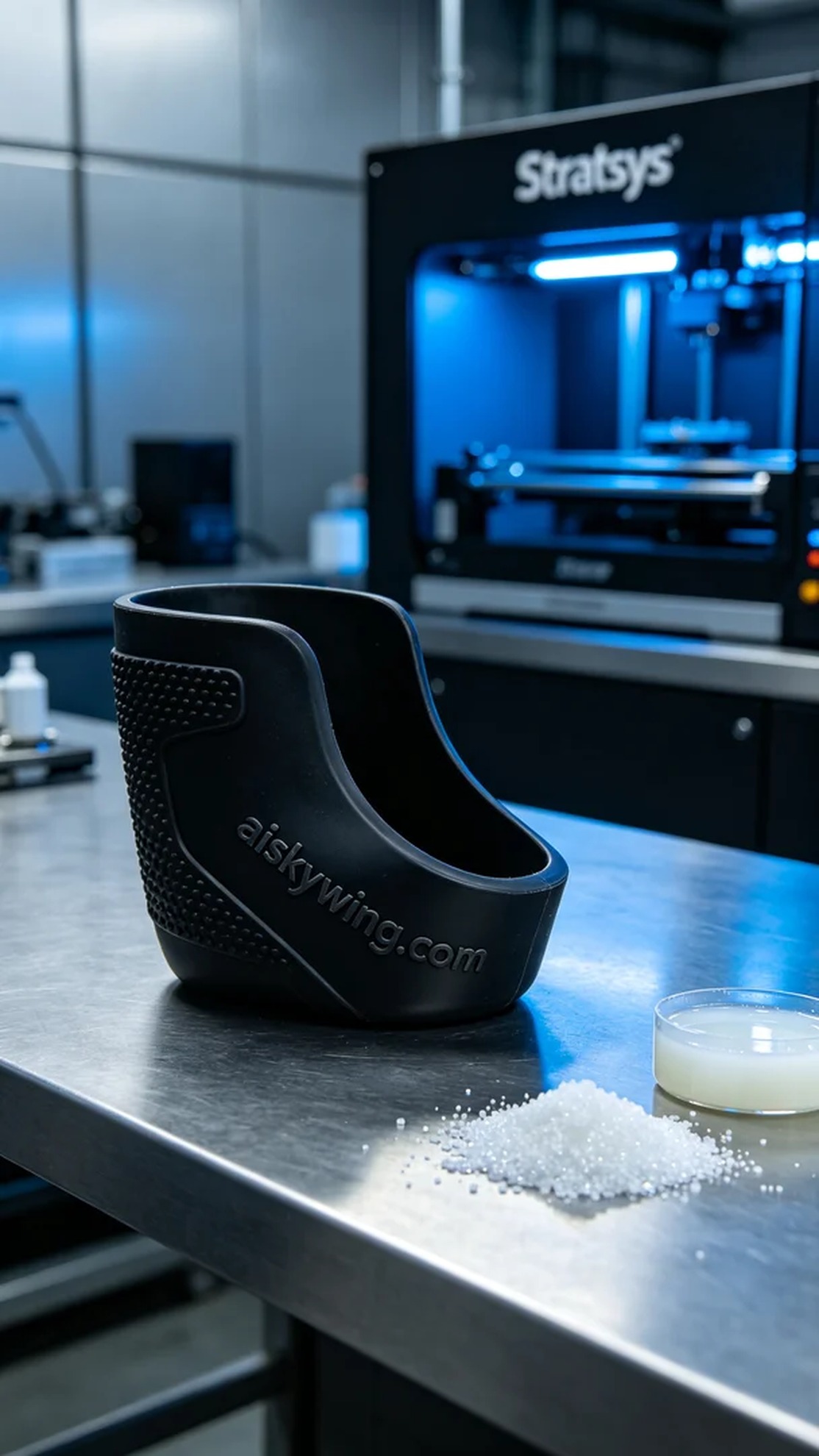
After a series of production and post-processing steps, this prosthetic socket liner was successfully completed. Seeing the perfect final product brought us immense satisfaction, proving that hard work always pays off.
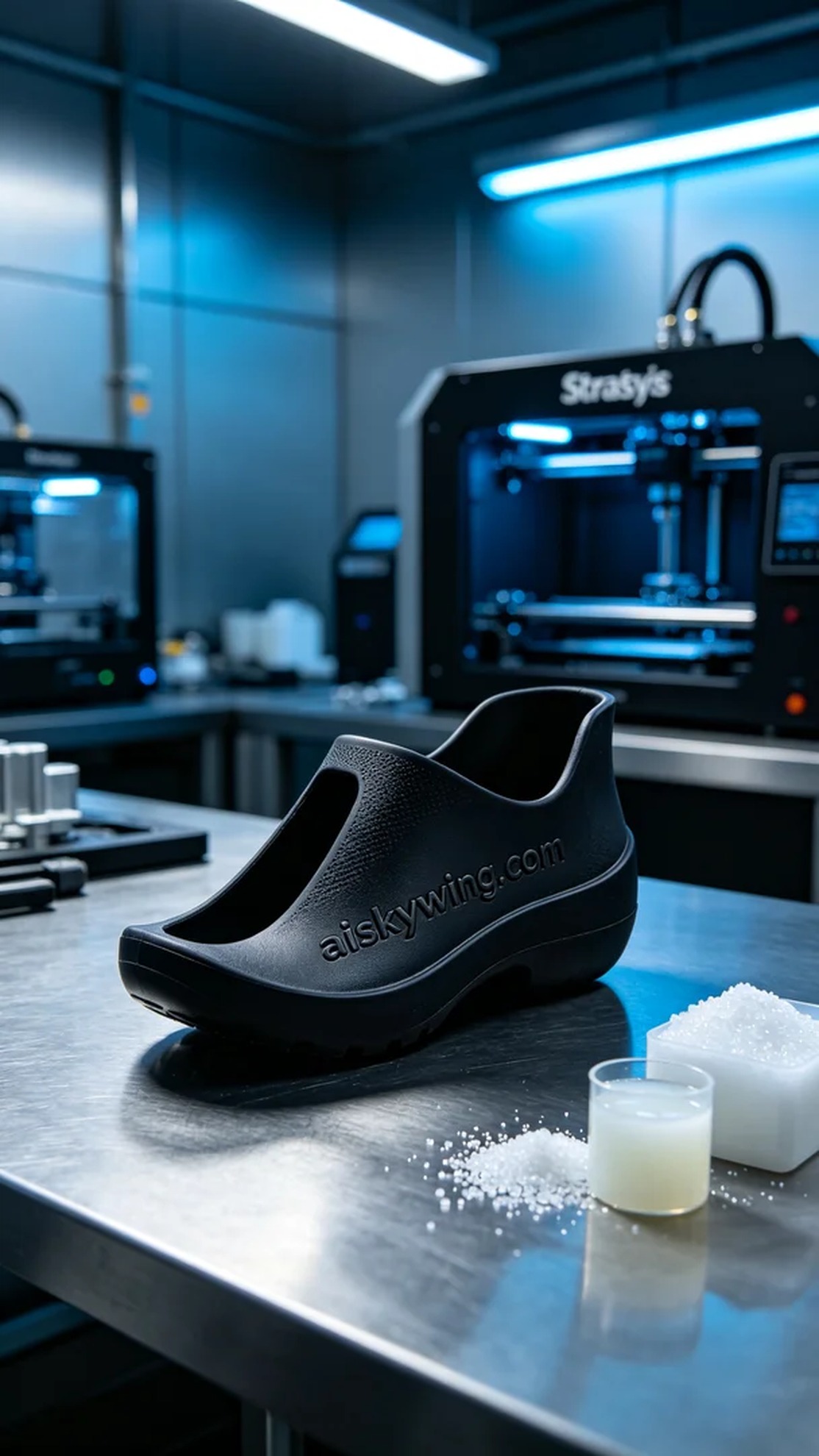
在TikTok上,有人提到他们对假肢的适配性和舒适性表示担忧,尤其是在长时间佩戴时,假肢接受腔内衬显得尤为重要。这项工作不仅需要精准的设计,更需要我们对材料和工艺的深刻理解。
我们选择了硅胶复模作为生产材料,因其柔软性和耐用性,能够有效提升使用者的体验。准备工作包括设置Stratasys打印机,层厚设定为0.1毫米,打印温度控制在25摄氏度,打印速度为50毫米每秒,预计打印时间为4小时。这样的参数能够确保打印出高质量、具有细腻纹理的接受腔内衬。
打印过程开始后,Stratasys打印机稳定运行,液态光敏树脂逐层成型。在这一过程中,我们不断监测打印质量,确保每一层的粘合度和细节都达到标准。设备运行顺畅,显示器上的数据实时更新,令我们对生产进程充满信心。
打印完成后,第一步是清洗,即将成型的部件浸入清洗液中,去除未固化的树脂。接着,通过细砂纸进行打磨,去除表面的粗糙感,确保每个细节都光滑。最后,将部件放入固化机中进行光固化处理,经过适当时间后进行最终检验,以确认产品符合使用要求。
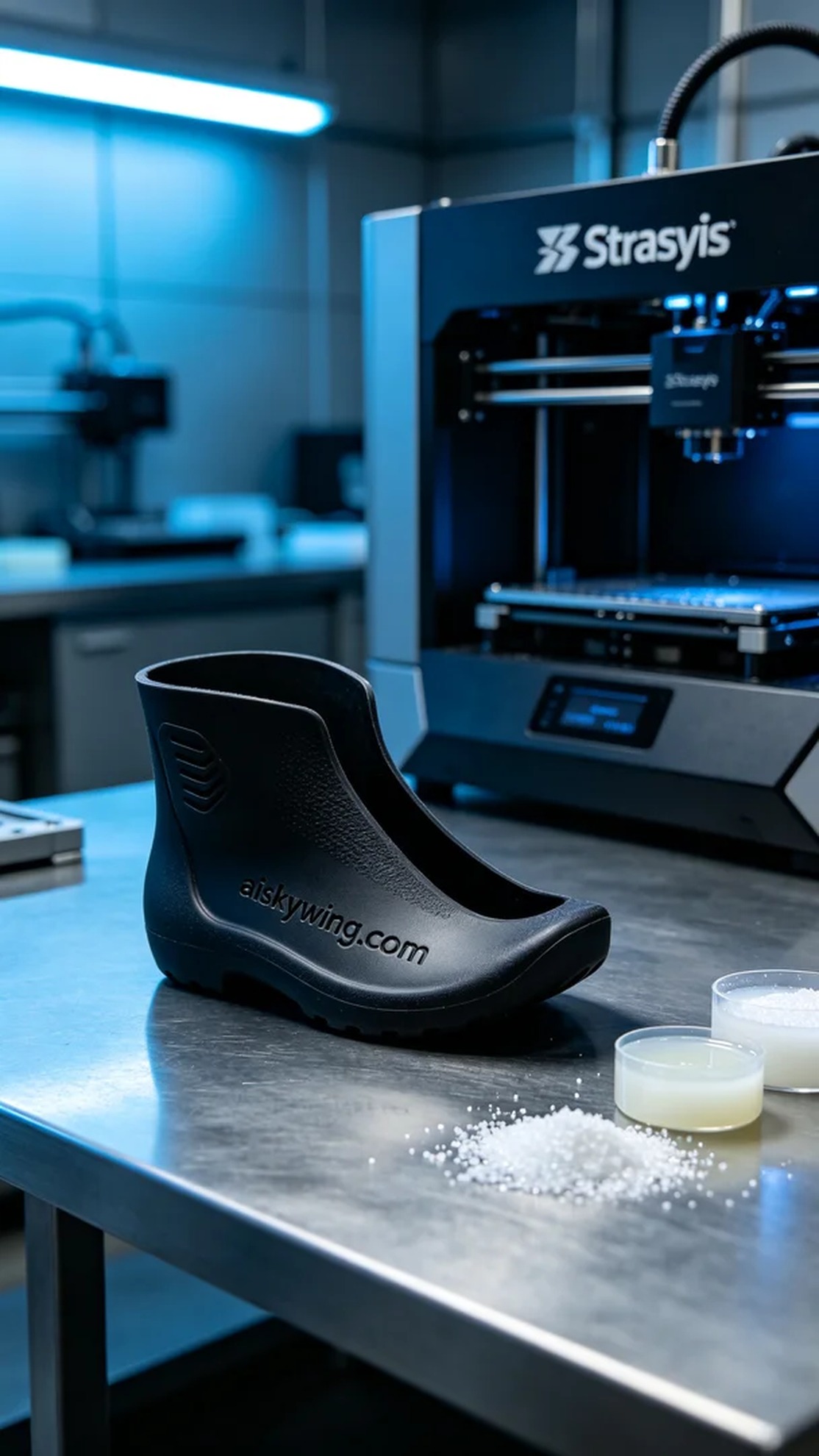
经过一系列的生产和后处理工序,这个假肢接受腔内衬成功完成。看到这个产品的完美成型,我们深感欣慰,努力总是有回报的。
Aiskywing Industrial 3D Printing
prosthetic socket内衬
▼

Contact Us
📞 Tel: +0086-760-85286839
📧 Email: skywing3d@163.com