0718-Signal Amplifier Module Enclosure - Aiskywing Industrial 3D Printing Showcase

▼
信号放大模块外壳3D打印记录
Signal Amplification Module Shell
在Facebook上,有人因为想提升信号质量而找到我们,就像接下这个信号放大模块外壳的单子,我们的每一次打印都是对品质的坚持。
On Facebook, someone reached out to us to improve signal quality, just like when we took on the project for this signal amplifier module casing. Every print we make is a commitment to quality.
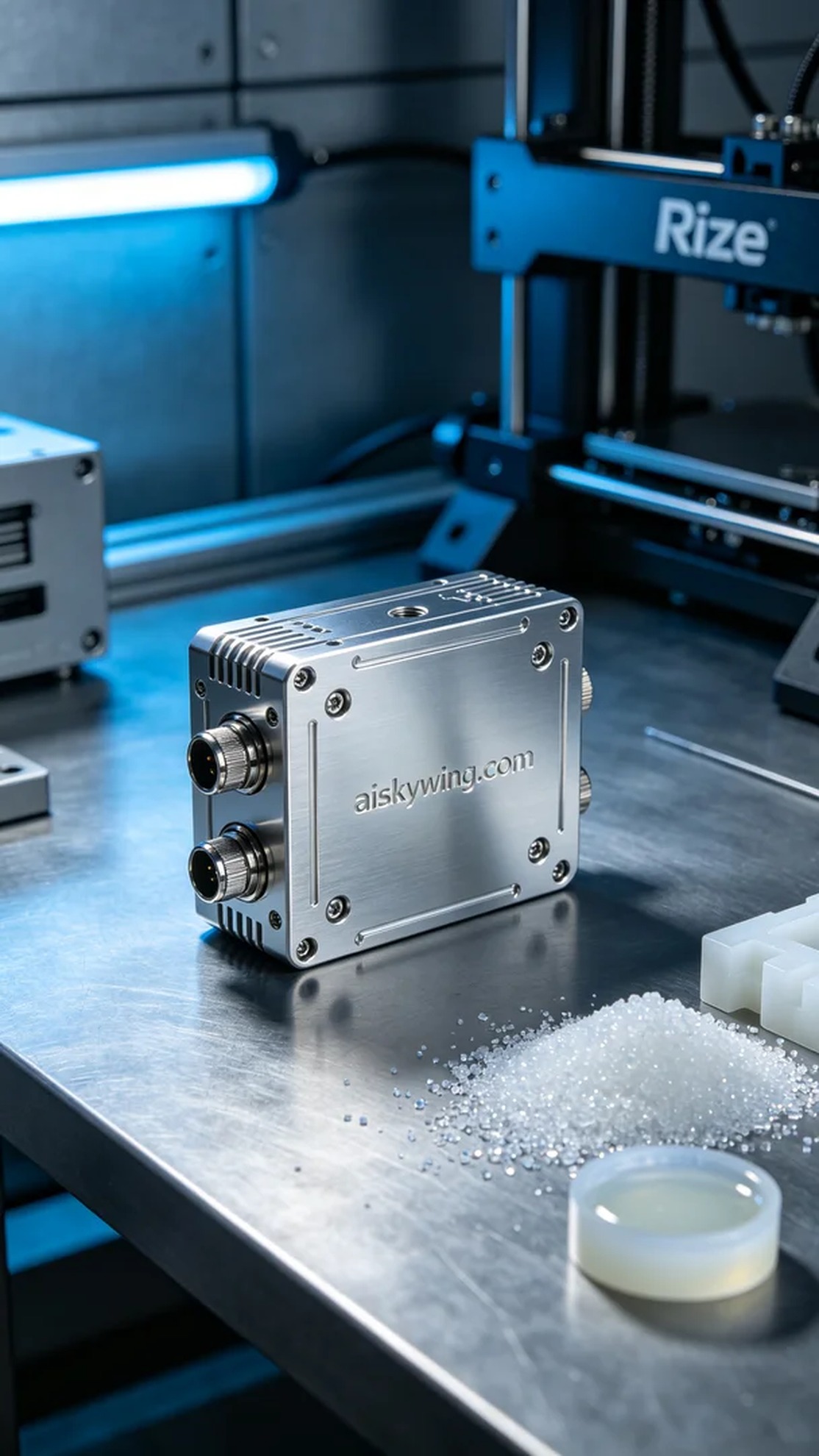
On Facebook, someone reached out to us because they wanted to enhance signal quality, just like taking on this signal amplification module casing project, where every print is a commitment to quality.
The material we used to create the signal amplification module casing is liquid photopolymer resin, known for its excellent fluidity and short curing time, making it ideal for high-precision 3D printing. During the preparation, we meticulously selected the appropriate Rize printer, adjusting the printing parameters to a layer thickness of 0.1 mm, a printing temperature of 25 degrees Celsius, a power setting of 120 milliwatts, and a speed of 40 mm per second, with an estimated printing time of 5 hours.
During the printing process, the Rize printer performed smoothly, with the liquid photopolymer resin curing layer by layer under the laser's exposure. Thanks to the advanced monitoring system of our printer, we kept a real-time check on printing quality and progress, ensuring every detail met the design requirements. The process was quiet, with minimal vibration, indicating a stable operation.
After printing, we moved on to the post-processing steps. First, we placed the printed casing into a washing tank, using a specialized solvent to thoroughly remove excess resin from the surface. Following that, we proceeded with the sanding process, gently smoothing the surface with fine sandpaper to ensure a refined finish. Finally, we placed it in a curing unit for ultraviolet curing to enhance the casing's durability, ensuring stability during use.
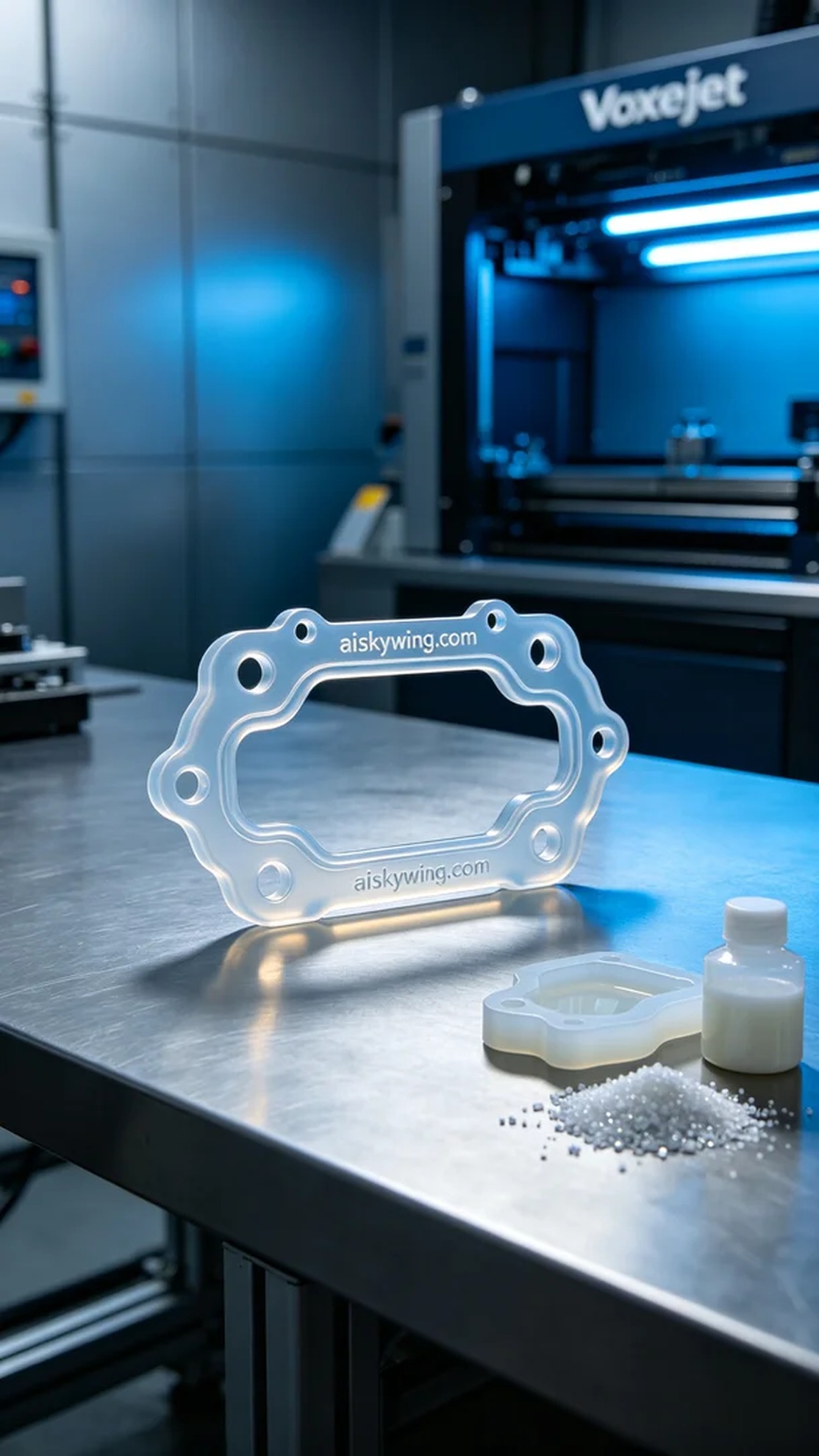
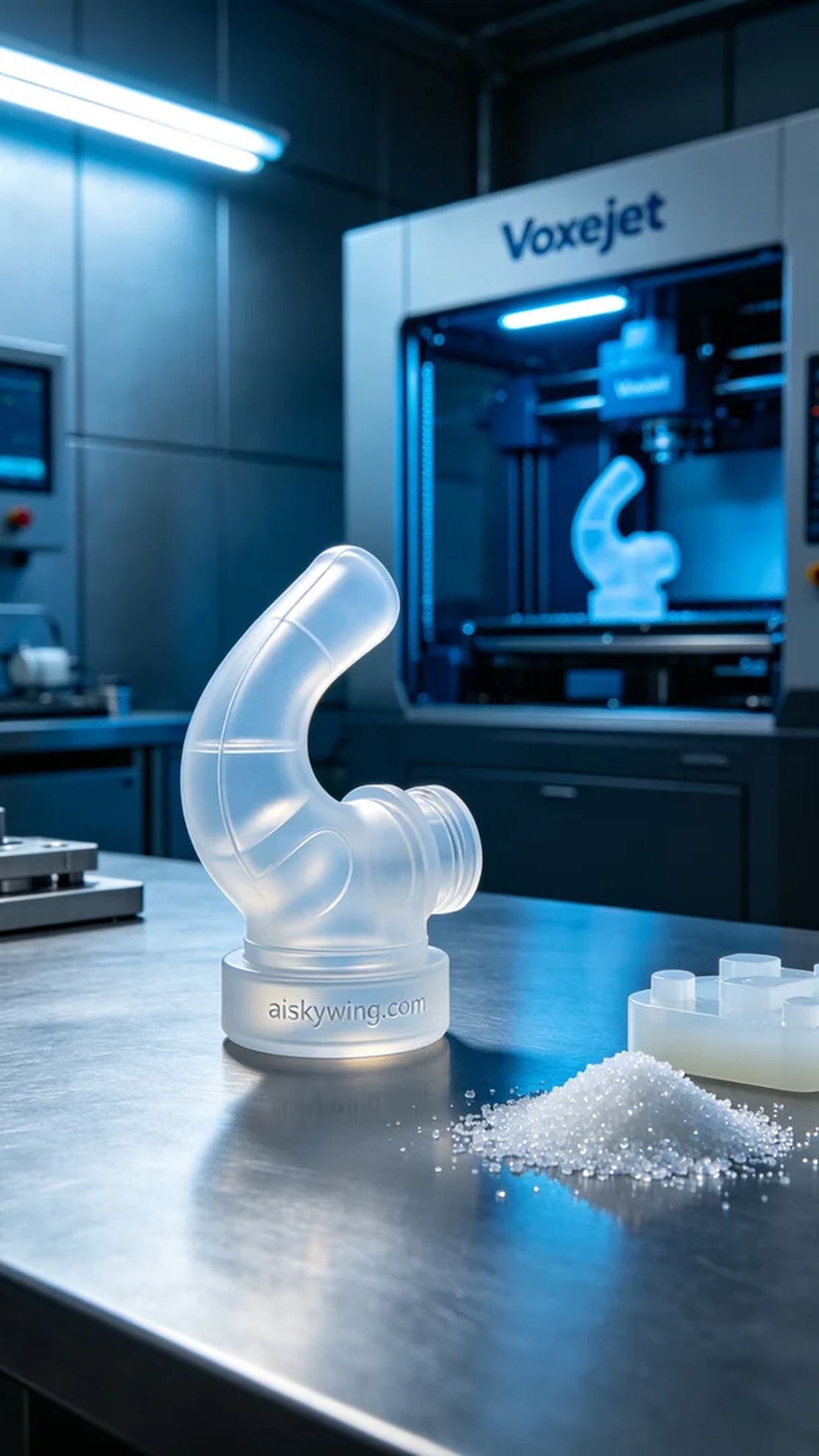
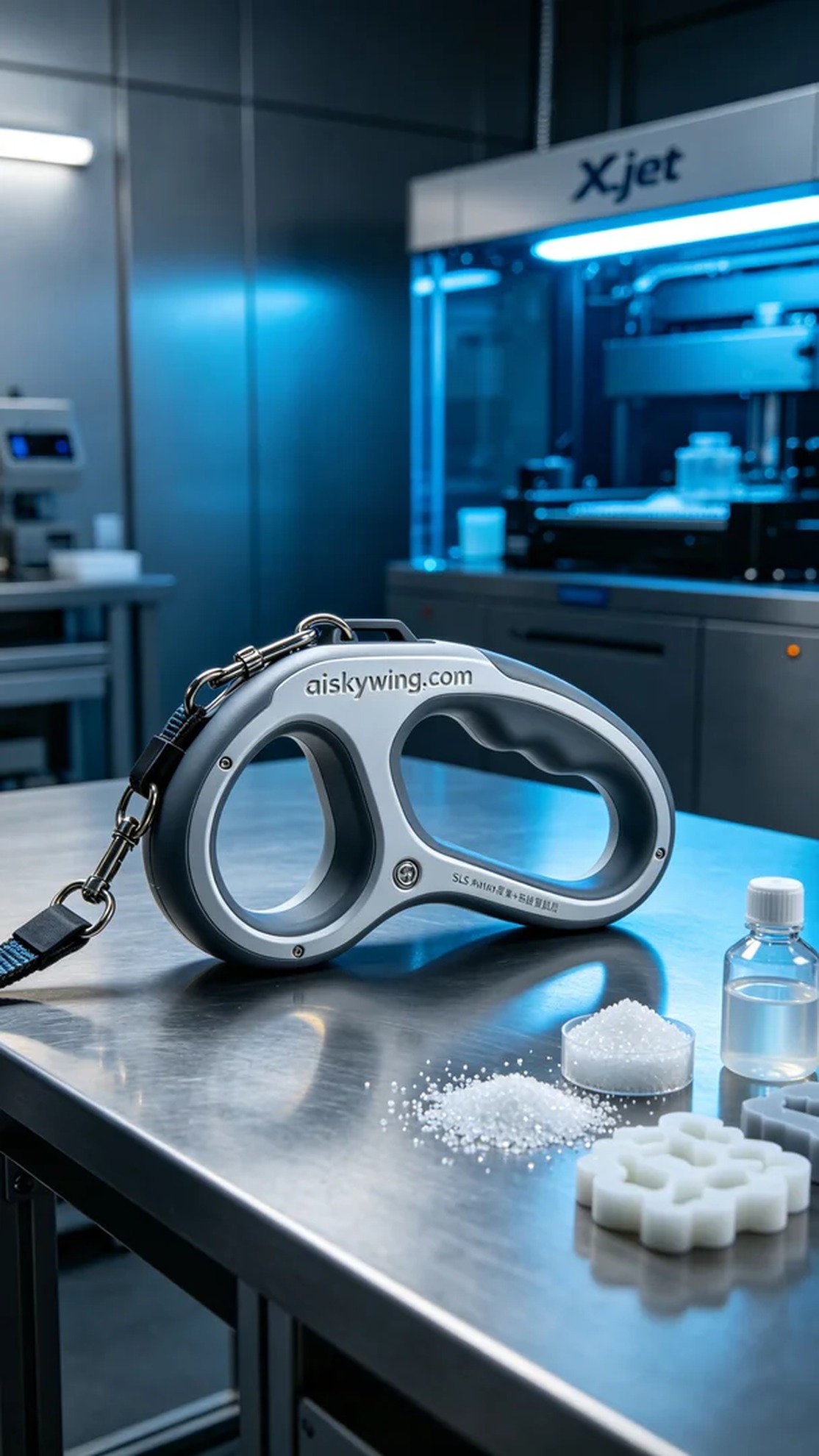
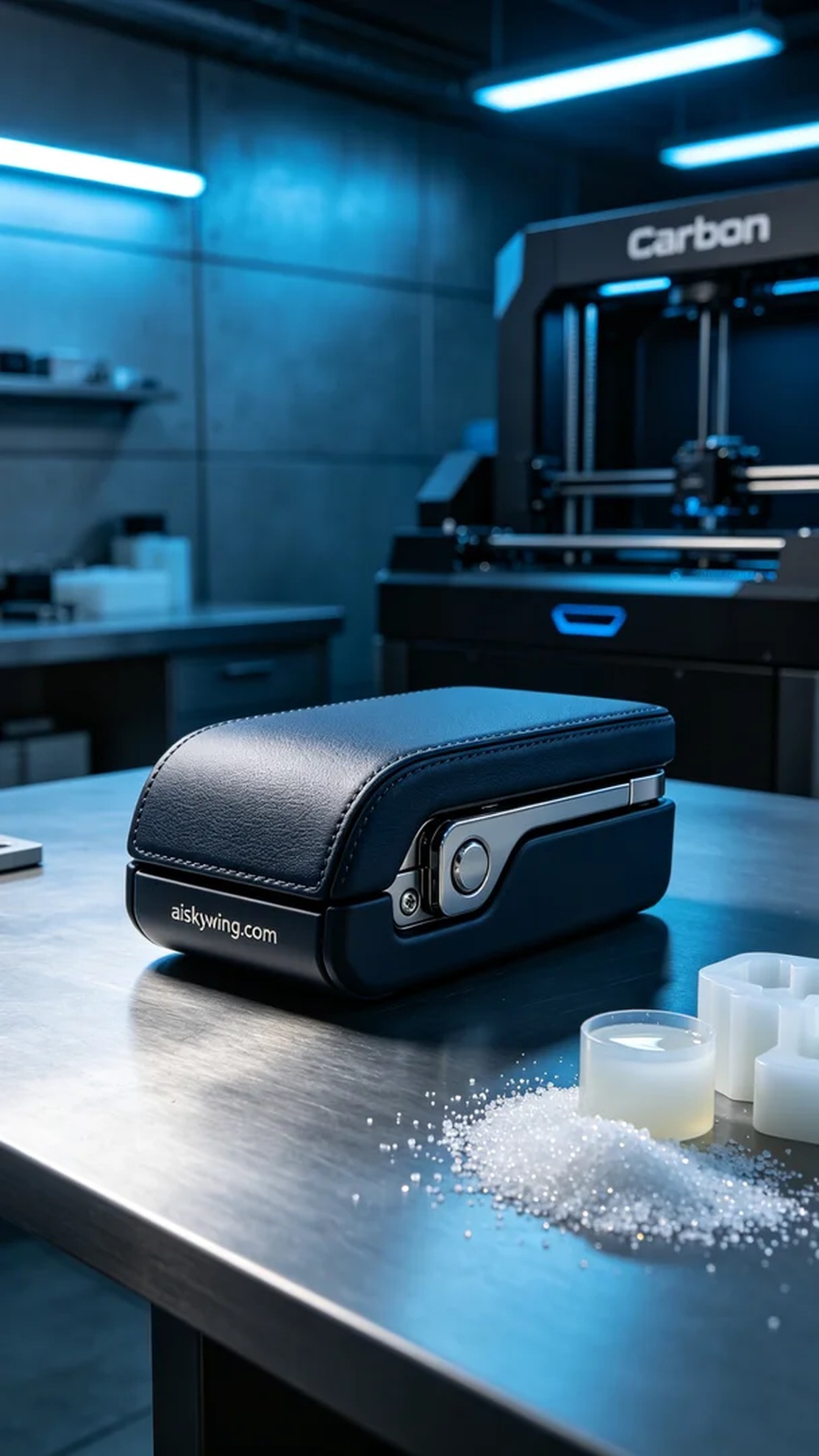
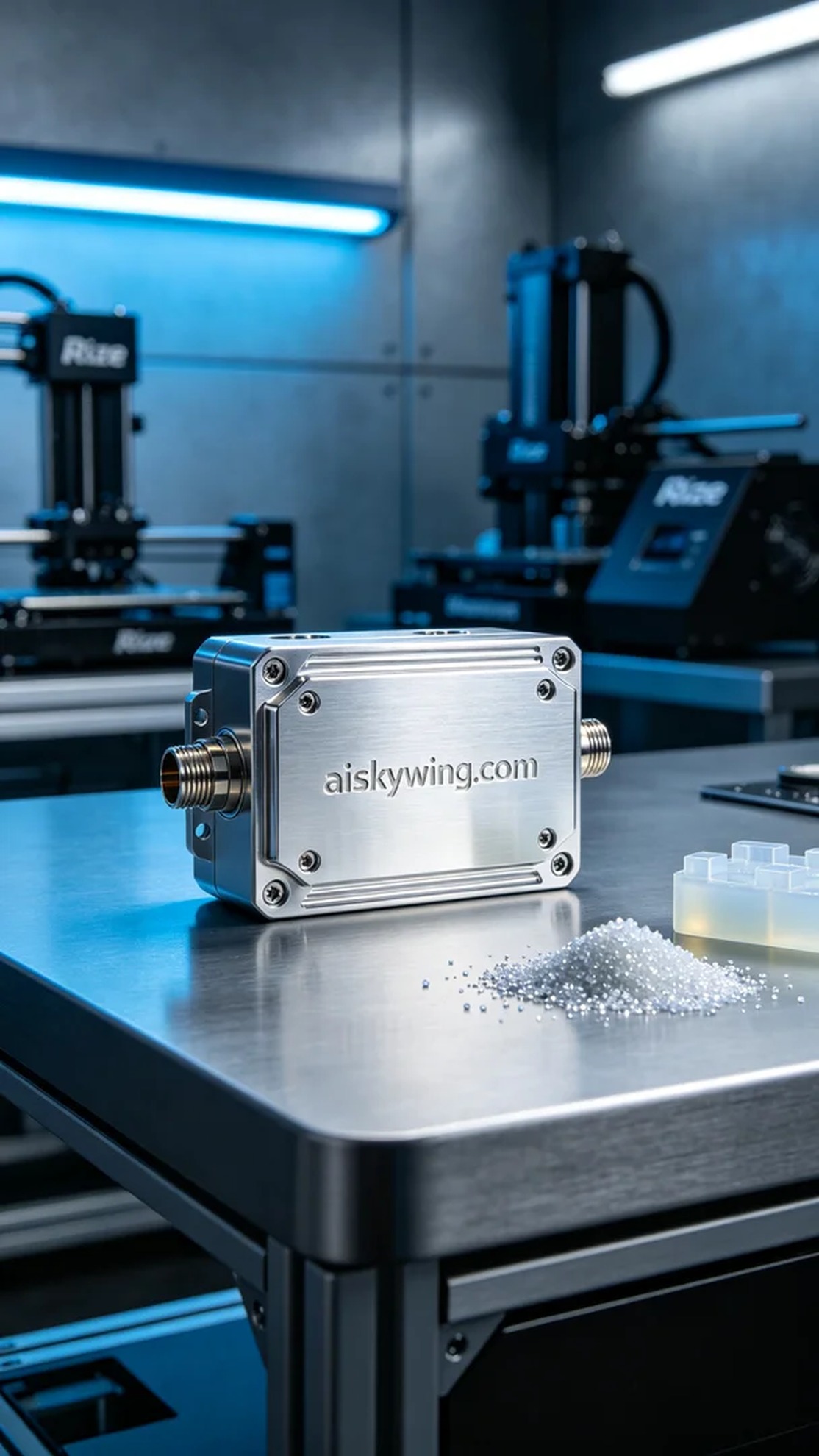
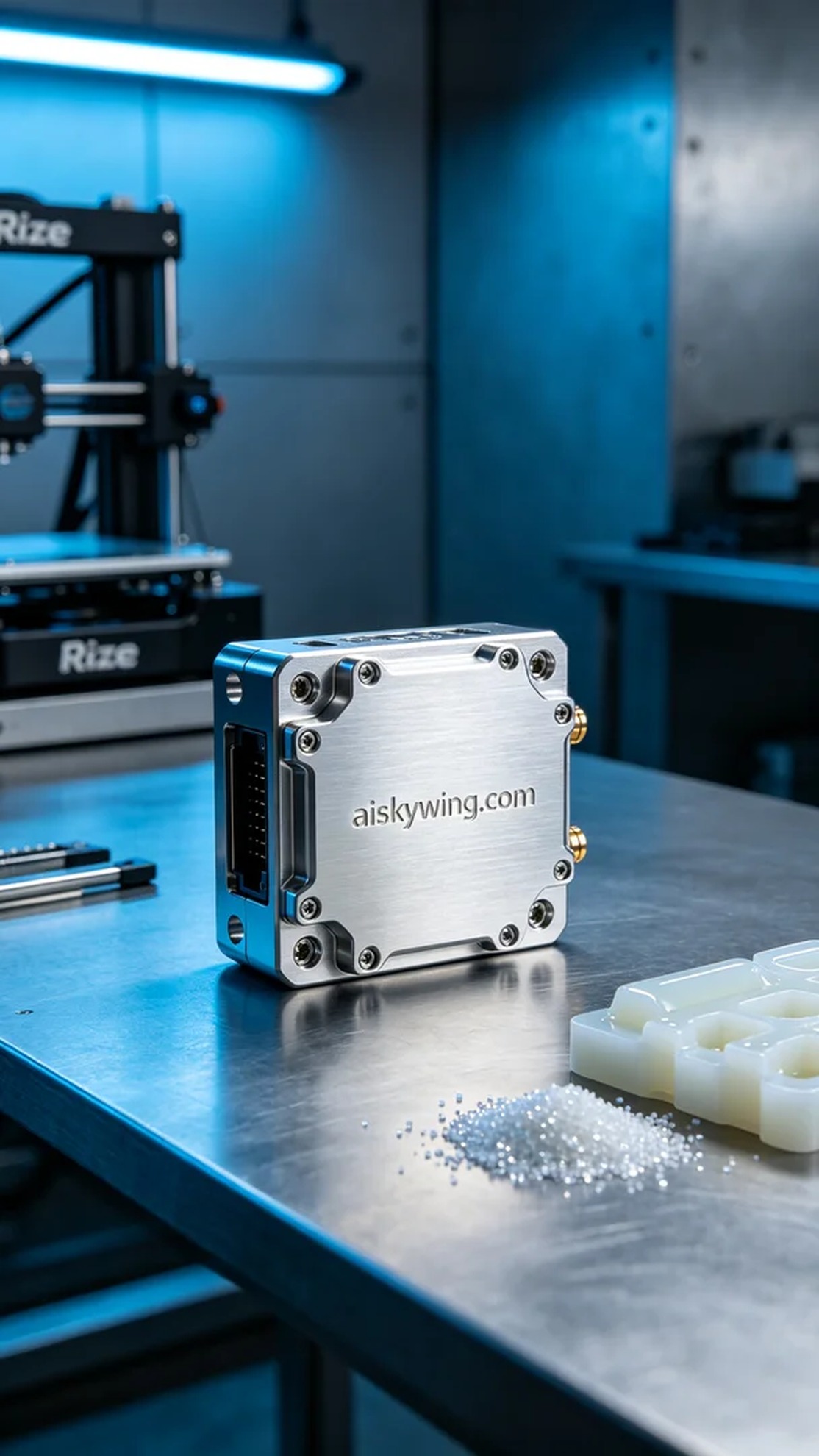
In the end, the signal amplification module casing was successfully completed, with a smooth surface and clear text, displaying a high gloss metallic feel and an attractive high-tech appearance. Every print is a testament to our commitment to product quality, and we look forward to the next challenge!
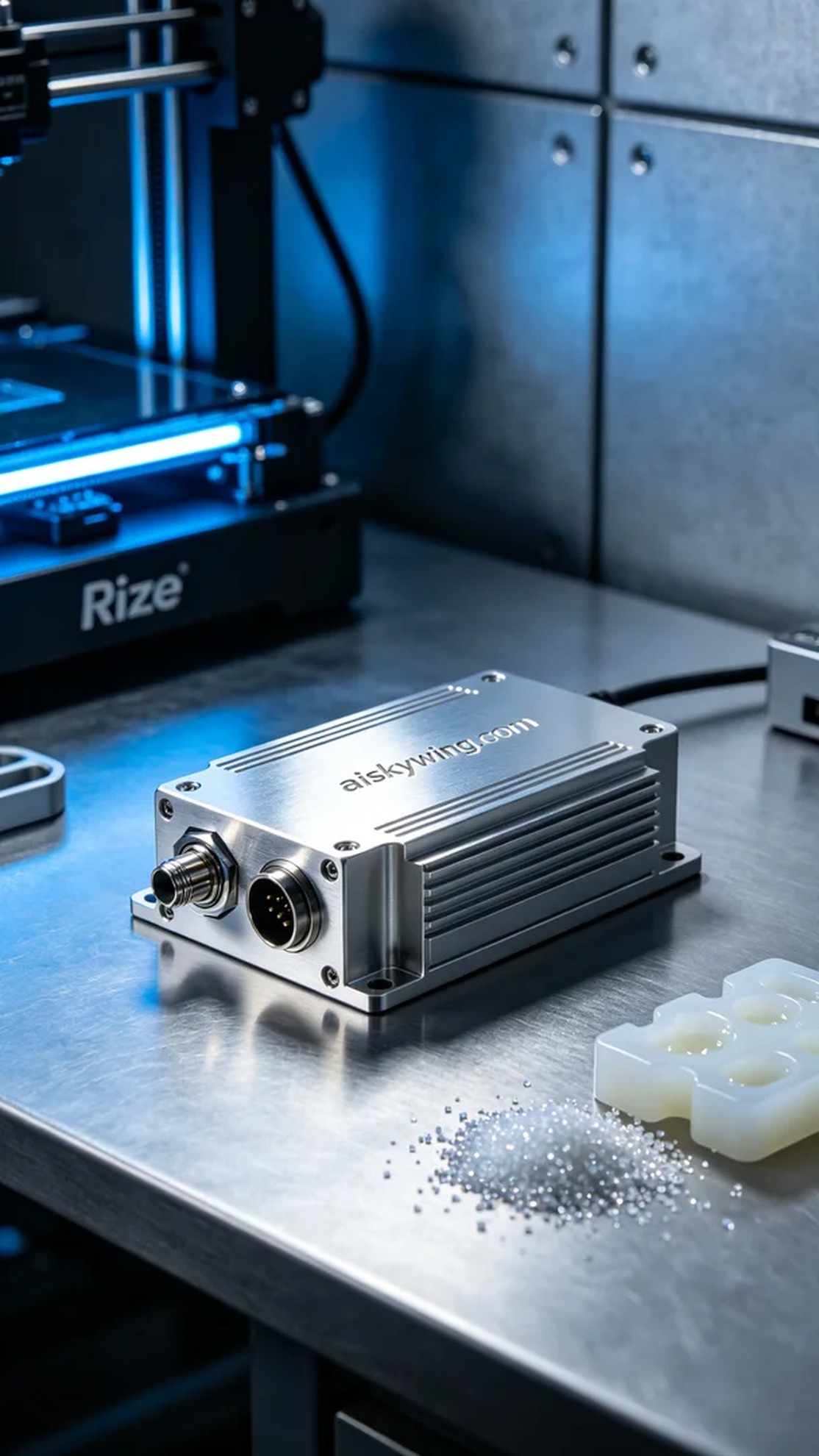
要制作信号放大模块外壳,我们使用的原材料是液态光敏树脂,这种材料具备优良的流动性和较短的固化时间,适合用于高精度的3D打印。整个准备过程中,我们仔细筛选了适合的Rize打印机,调整了打印参数,包括层厚设定为0.1毫米,打印温度控制在25摄氏度,功率设定为120毫瓦,速度设置为40毫米每秒,预计打印时间为5小时。
在打印过程中,Rize打印机顺利运行,液态光敏树脂在激光的照射下逐层固化。由于我们的打印机配备了先进的监控系统,实时监测打印质量和进度,确保每个细节都能够保持在设计要求之内。整个过程的噪音较低,没有产生过多震动,运转相当稳妥。
打印完成后,我们开始进行后处理工序。首先,将打印出的外壳放入清洗槽中,使用专用溶剂彻底清理表面的多余树脂。清洗完成后,接着是打磨工序,采用细砂纸轻柔打磨,确保表面光滑细腻。最后,我们将其放入固化设备中进行紫外线固化,以增强外壳的耐用性,确保其在使用过程中的稳定性。
最终,这个信号放大模块外壳顺利完成,表面光滑,文字清晰可见,光泽感十足,展现出金属质感与科技感。每一次的打印都是我们对产品质量的承诺,期待下一次的挑战!
Aiskywing Industrial 3D Printing
Signal Amplification Module Shell
▼

Contact Us
📞 Tel: +0086-760-85286839
📧 Email: skywing3d@163.com